Simple overview of protein
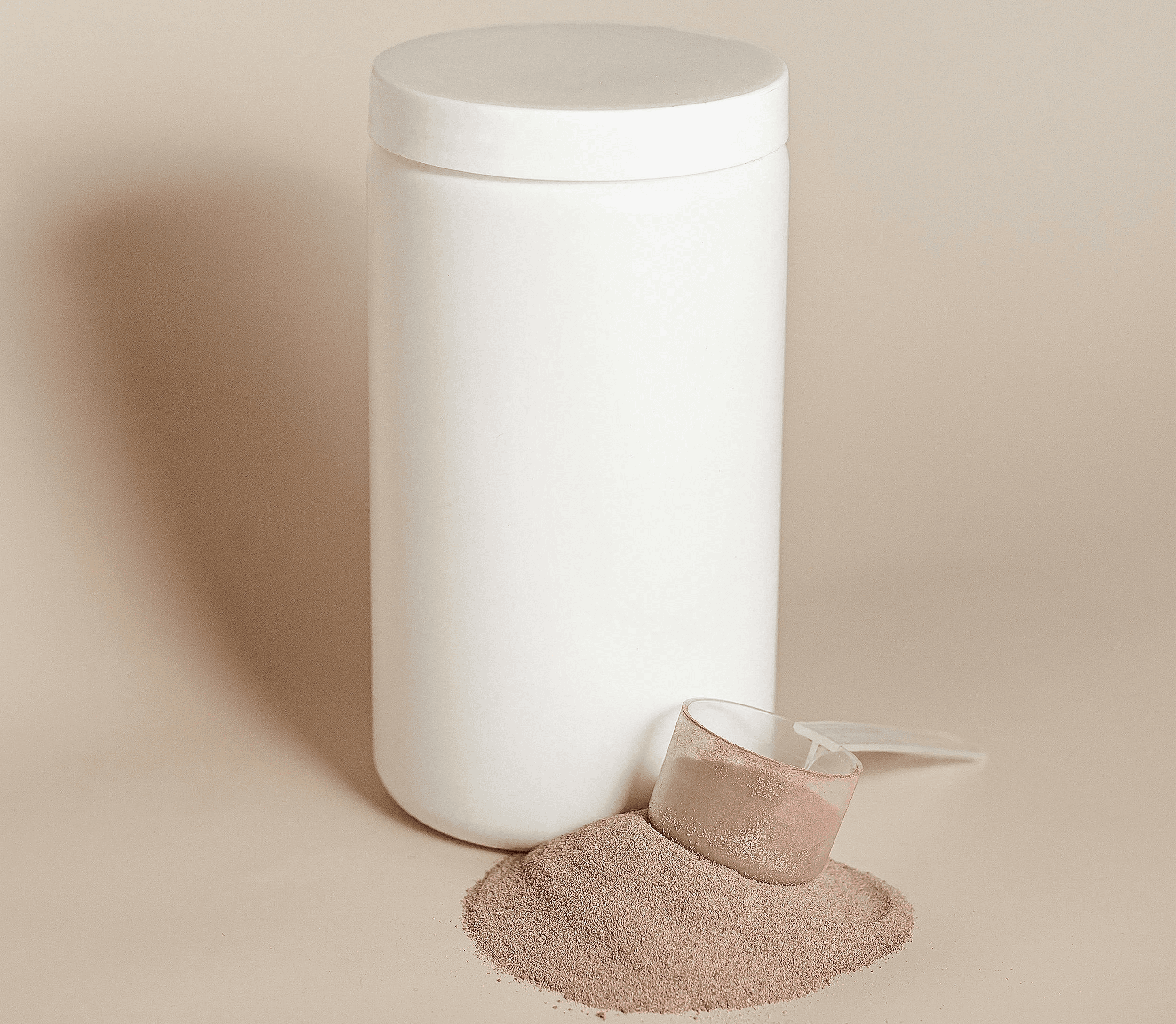
What protein
Let's get down to it. Probably one of the biggest things that comes to mind when one begins their fitness journey to either lose or gain weight. Research shows that a typical South Asian diet has significantly fewer protein sources than other traditional diets. It also doesn’t help that there are also so many misconceptions in our own culture that make us stray from it. Most South Asian young adults have heard a family member tell them something negative about protein at least once in their lifetime. We hope that we can convince you not to listen to them!
Whether you are a young adult trying to educate yourself or an older person just trying to read this because your kid made you, it is essential to know how much research has been conducted to show why protein benefits your life. As a quick side note, even though there are stark differences in the protein intake between a vegetarian and a non-vegetarian diet in South Asians, it is worth addressing that both still fall below the threshold for how much is recommended to be consumed daily. This article will clarify what protein is, debunk myths about its intake, and explain how to determine the right amount for your needs, whether your goal is to lose or gain weight.
By the way, this might be long; feel free to use the table of contents to skip around.
So, What is protein?
Protein is one of the most essential nutrients in our diet. If you are a pre-med student reading this, your understanding of protein is fantastic! But chill out for a second. We have to simplify it for now. Protein is vital in building and repairing tissues, supporting immune function, and producing valuable enzymes and hormones. It's also essential for maintaining and building muscle, skin, and hair, as well as the health of our internal organs.
Proteins are large molecules made up of smaller units called amino acids. These amino acids are referred to as “the building blocks” of the body because they play a critical role in maintaining almost every part of it. The most important thing for us to know about them is that 9 “essential” amino acids must come from our dietary sources. Any food source containing all 9 of these amino acids is what we like to call a “complete protein.”
Animal-Based Complete Proteins
Animal proteins are naturally complete and are the most common sources of all nine essential amino acids.
Meat
Chicken, beef, pork, lamb, and turkey.
These are rich in high-quality protein and readily available in most diets.
Fish and Seafood
Salmon, tuna, mackerel, cod, shrimp, and shellfish.
Excellent sources of lean, complete protein with added omega-3 fatty acids.
Eggs
Mainly the egg white.
Considered one of the highest-quality proteins due to its amino acid profile.
Dairy
Milk, yogurt, cheese (e.g., cottage cheese, ricotta, cheddar).
Contains complete protein along with calcium and other nutrients.
Plant-Based Complete Proteins
Most plant-based proteins are incomplete, but some notable exceptions naturally contain all nine essential amino acids:
Soy Products
Tofu, tempeh, soy milk, edamame.
Soy is a versatile and popular protein for vegetarians and vegans.
Quinoa
A pseudo-grain (technically a seed).
Great as a gluten-free, complete protein alternative to rice or wheat.
Amaranth
Another protein-rich pseudo-grain, similar to quinoa.
High in lysine, which is often limited in other grains.
Buckwheat
Gluten-free seed is often used in flour or groats.
Another excellent grain alternative with a complete protein profile.
Hemp Seeds
High in protein and omega-3 fatty acids.
Great for sprinkling on salads, oatmeal, or smoothies.
Chia Seeds
Tiny seeds packed with complete protein, fiber, and healthy fats.
Commonly used in smoothies, puddings, or as an egg substitute in vegan recipes.
Protein Pairing for Incomplete Proteins
In South Asian diets, there are a lot of examples of incomplete proteins. Daal, YES IS A PROTEIN SOURCE. It is incomplete, though. You can pair foods to make a complete protein if you're too many incomplete plant proteins. Below, we list why the pairing between two incomplete proteins works and an example of a dish that can be eaten that combines them.
1. Rice + Lentils (Dal)
Rice provides methionine, which lentils lack, and lentils offer lysine, which rice lacks. Together, they create a complete protein.
Examples:
Dal Chawal (lentils and rice).
Khichdi (rice and lentils cooked together).
2. Wheat (Roti) + Chickpeas (Chana)
Chickpeas supply lysine, balancing out the methionine-rich wheat.
Examples:
Chana Masala with Roti.
Hummus (made with chickpeas and tahini) paired with whole-wheat bread.
3. Rice + Mung Beans (Moong Dal)
Similar to the rice + lentils combination, this pairing provides a balanced amino acid profile.
Examples:
Moong Dal Khichdi (rice and moong dal cooked together).
4. Vegetables + Yogurt or Paneer
While vegetables alone are low in protein, pairing them with dairy products like yogurt or paneer adds the essential amino acids.
Examples:
Palak Paneer (spinach with paneer).
Vegetable Raita (yogurt with mixed vegetables).
5. Wheat + Lentils (Dal)
Wheat complements lentils by providing methionine, which lentils lack.
Examples:
Dal with Roti.
Dal Paratha (lentil-stuffed flatbread).
6. Rice + Yogurt or Buttermilk
Dairy is a complete protein and pairs well with rice to round out amino acid profiles.
Examples:
Curd Rice (yogurt mixed with rice).
Rice with Buttermilk.
7. Nuts/Seeds + Legumes
Nuts and seeds provide methionine, which legumes are often low in.
Examples:
Peanut Chutney with Idli.
Sesame seeds added to lentil-based curries.
These combinations work because the amino acids missing in one food are present in the other. Eating them in the same meal is unnecessary, as the body can store and combine amino acids from different meals throughout the day.
What protein
Let's get down to it. Probably one of the biggest things that comes to mind when one begins their fitness journey to either lose or gain weight. Research shows that a typical South Asian diet has significantly fewer protein sources than other traditional diets. It also doesn’t help that there are also so many misconceptions in our own culture that make us stray from it. Most South Asian young adults have heard a family member tell them something negative about protein at least once in their lifetime. We hope that we can convince you not to listen to them!
Whether you are a young adult trying to educate yourself or an older person just trying to read this because your kid made you, it is essential to know how much research has been conducted to show why protein benefits your life. As a quick side note, even though there are stark differences in the protein intake between a vegetarian and a non-vegetarian diet in South Asians, it is worth addressing that both still fall below the threshold for how much is recommended to be consumed daily. This article will clarify what protein is, debunk myths about its intake, and explain how to determine the right amount for your needs, whether your goal is to lose or gain weight.
By the way, this might be long; feel free to use the table of contents to skip around.
So, What is protein?
Protein is one of the most essential nutrients in our diet. If you are a pre-med student reading this, your understanding of protein is fantastic! But chill out for a second. We have to simplify it for now. Protein is vital in building and repairing tissues, supporting immune function, and producing valuable enzymes and hormones. It's also essential for maintaining and building muscle, skin, and hair, as well as the health of our internal organs.
Proteins are large molecules made up of smaller units called amino acids. These amino acids are referred to as “the building blocks” of the body because they play a critical role in maintaining almost every part of it. The most important thing for us to know about them is that 9 “essential” amino acids must come from our dietary sources. Any food source containing all 9 of these amino acids is what we like to call a “complete protein.”
Animal-Based Complete Proteins
Animal proteins are naturally complete and are the most common sources of all nine essential amino acids.
Meat
Chicken, beef, pork, lamb, and turkey.
These are rich in high-quality protein and readily available in most diets.
Fish and Seafood
Salmon, tuna, mackerel, cod, shrimp, and shellfish.
Excellent sources of lean, complete protein with added omega-3 fatty acids.
Eggs
Mainly the egg white.
Considered one of the highest-quality proteins due to its amino acid profile.
Dairy
Milk, yogurt, cheese (e.g., cottage cheese, ricotta, cheddar).
Contains complete protein along with calcium and other nutrients.
Plant-Based Complete Proteins
Most plant-based proteins are incomplete, but some notable exceptions naturally contain all nine essential amino acids:
Soy Products
Tofu, tempeh, soy milk, edamame.
Soy is a versatile and popular protein for vegetarians and vegans.
Quinoa
A pseudo-grain (technically a seed).
Great as a gluten-free, complete protein alternative to rice or wheat.
Amaranth
Another protein-rich pseudo-grain, similar to quinoa.
High in lysine, which is often limited in other grains.
Buckwheat
Gluten-free seed is often used in flour or groats.
Another excellent grain alternative with a complete protein profile.
Hemp Seeds
High in protein and omega-3 fatty acids.
Great for sprinkling on salads, oatmeal, or smoothies.
Chia Seeds
Tiny seeds packed with complete protein, fiber, and healthy fats.
Commonly used in smoothies, puddings, or as an egg substitute in vegan recipes.
Protein Pairing for Incomplete Proteins
In South Asian diets, there are a lot of examples of incomplete proteins. Daal, YES IS A PROTEIN SOURCE. It is incomplete, though. You can pair foods to make a complete protein if you're too many incomplete plant proteins. Below, we list why the pairing between two incomplete proteins works and an example of a dish that can be eaten that combines them.
1. Rice + Lentils (Dal)
Rice provides methionine, which lentils lack, and lentils offer lysine, which rice lacks. Together, they create a complete protein.
Examples:
Dal Chawal (lentils and rice).
Khichdi (rice and lentils cooked together).
2. Wheat (Roti) + Chickpeas (Chana)
Chickpeas supply lysine, balancing out the methionine-rich wheat.
Examples:
Chana Masala with Roti.
Hummus (made with chickpeas and tahini) paired with whole-wheat bread.
3. Rice + Mung Beans (Moong Dal)
Similar to the rice + lentils combination, this pairing provides a balanced amino acid profile.
Examples:
Moong Dal Khichdi (rice and moong dal cooked together).
4. Vegetables + Yogurt or Paneer
While vegetables alone are low in protein, pairing them with dairy products like yogurt or paneer adds the essential amino acids.
Examples:
Palak Paneer (spinach with paneer).
Vegetable Raita (yogurt with mixed vegetables).
5. Wheat + Lentils (Dal)
Wheat complements lentils by providing methionine, which lentils lack.
Examples:
Dal with Roti.
Dal Paratha (lentil-stuffed flatbread).
6. Rice + Yogurt or Buttermilk
Dairy is a complete protein and pairs well with rice to round out amino acid profiles.
Examples:
Curd Rice (yogurt mixed with rice).
Rice with Buttermilk.
7. Nuts/Seeds + Legumes
Nuts and seeds provide methionine, which legumes are often low in.
Examples:
Peanut Chutney with Idli.
Sesame seeds added to lentil-based curries.
These combinations work because the amino acids missing in one food are present in the other. Eating them in the same meal is unnecessary, as the body can store and combine amino acids from different meals throughout the day.
What protein
Let's get down to it. Probably one of the biggest things that comes to mind when one begins their fitness journey to either lose or gain weight. Research shows that a typical South Asian diet has significantly fewer protein sources than other traditional diets. It also doesn’t help that there are also so many misconceptions in our own culture that make us stray from it. Most South Asian young adults have heard a family member tell them something negative about protein at least once in their lifetime. We hope that we can convince you not to listen to them!
Whether you are a young adult trying to educate yourself or an older person just trying to read this because your kid made you, it is essential to know how much research has been conducted to show why protein benefits your life. As a quick side note, even though there are stark differences in the protein intake between a vegetarian and a non-vegetarian diet in South Asians, it is worth addressing that both still fall below the threshold for how much is recommended to be consumed daily. This article will clarify what protein is, debunk myths about its intake, and explain how to determine the right amount for your needs, whether your goal is to lose or gain weight.
By the way, this might be long; feel free to use the table of contents to skip around.
So, What is protein?
Protein is one of the most essential nutrients in our diet. If you are a pre-med student reading this, your understanding of protein is fantastic! But chill out for a second. We have to simplify it for now. Protein is vital in building and repairing tissues, supporting immune function, and producing valuable enzymes and hormones. It's also essential for maintaining and building muscle, skin, and hair, as well as the health of our internal organs.
Proteins are large molecules made up of smaller units called amino acids. These amino acids are referred to as “the building blocks” of the body because they play a critical role in maintaining almost every part of it. The most important thing for us to know about them is that 9 “essential” amino acids must come from our dietary sources. Any food source containing all 9 of these amino acids is what we like to call a “complete protein.”
Animal-Based Complete Proteins
Animal proteins are naturally complete and are the most common sources of all nine essential amino acids.
Meat
Chicken, beef, pork, lamb, and turkey.
These are rich in high-quality protein and readily available in most diets.
Fish and Seafood
Salmon, tuna, mackerel, cod, shrimp, and shellfish.
Excellent sources of lean, complete protein with added omega-3 fatty acids.
Eggs
Mainly the egg white.
Considered one of the highest-quality proteins due to its amino acid profile.
Dairy
Milk, yogurt, cheese (e.g., cottage cheese, ricotta, cheddar).
Contains complete protein along with calcium and other nutrients.
Plant-Based Complete Proteins
Most plant-based proteins are incomplete, but some notable exceptions naturally contain all nine essential amino acids:
Soy Products
Tofu, tempeh, soy milk, edamame.
Soy is a versatile and popular protein for vegetarians and vegans.
Quinoa
A pseudo-grain (technically a seed).
Great as a gluten-free, complete protein alternative to rice or wheat.
Amaranth
Another protein-rich pseudo-grain, similar to quinoa.
High in lysine, which is often limited in other grains.
Buckwheat
Gluten-free seed is often used in flour or groats.
Another excellent grain alternative with a complete protein profile.
Hemp Seeds
High in protein and omega-3 fatty acids.
Great for sprinkling on salads, oatmeal, or smoothies.
Chia Seeds
Tiny seeds packed with complete protein, fiber, and healthy fats.
Commonly used in smoothies, puddings, or as an egg substitute in vegan recipes.
Protein Pairing for Incomplete Proteins
In South Asian diets, there are a lot of examples of incomplete proteins. Daal, YES IS A PROTEIN SOURCE. It is incomplete, though. You can pair foods to make a complete protein if you're too many incomplete plant proteins. Below, we list why the pairing between two incomplete proteins works and an example of a dish that can be eaten that combines them.
1. Rice + Lentils (Dal)
Rice provides methionine, which lentils lack, and lentils offer lysine, which rice lacks. Together, they create a complete protein.
Examples:
Dal Chawal (lentils and rice).
Khichdi (rice and lentils cooked together).
2. Wheat (Roti) + Chickpeas (Chana)
Chickpeas supply lysine, balancing out the methionine-rich wheat.
Examples:
Chana Masala with Roti.
Hummus (made with chickpeas and tahini) paired with whole-wheat bread.
3. Rice + Mung Beans (Moong Dal)
Similar to the rice + lentils combination, this pairing provides a balanced amino acid profile.
Examples:
Moong Dal Khichdi (rice and moong dal cooked together).
4. Vegetables + Yogurt or Paneer
While vegetables alone are low in protein, pairing them with dairy products like yogurt or paneer adds the essential amino acids.
Examples:
Palak Paneer (spinach with paneer).
Vegetable Raita (yogurt with mixed vegetables).
5. Wheat + Lentils (Dal)
Wheat complements lentils by providing methionine, which lentils lack.
Examples:
Dal with Roti.
Dal Paratha (lentil-stuffed flatbread).
6. Rice + Yogurt or Buttermilk
Dairy is a complete protein and pairs well with rice to round out amino acid profiles.
Examples:
Curd Rice (yogurt mixed with rice).
Rice with Buttermilk.
7. Nuts/Seeds + Legumes
Nuts and seeds provide methionine, which legumes are often low in.
Examples:
Peanut Chutney with Idli.
Sesame seeds added to lentil-based curries.
These combinations work because the amino acids missing in one food are present in the other. Eating them in the same meal is unnecessary, as the body can store and combine amino acids from different meals throughout the day.
Be the first to know about every new letter.
No spam, unsubscribe anytime.