Addressing the South Asian Diet
July 18, 2025
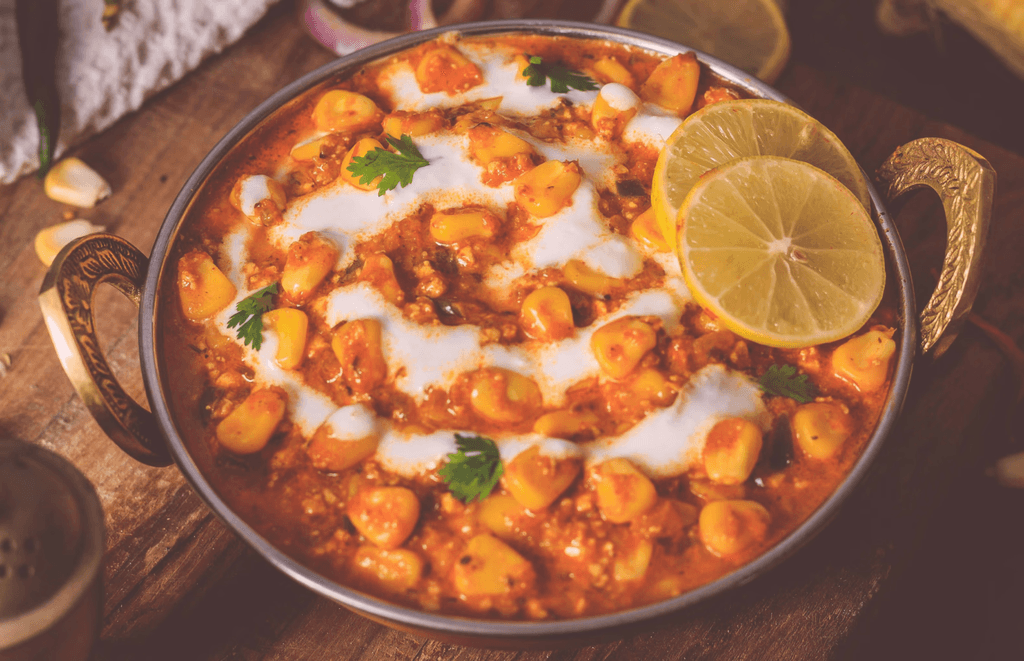
When you think of a traditional plate of Indian food, what comes to mind? In my home, it is typically a plate consisting of a few chapatis and maybe some white rice, dahl for the protein, and a subji, which is a typical vegetable dish. Occasionally, we would have a meat dish, but for the most part, this plate was the staple dish I ate throughout most of my life, and I’m sure this is the same for most of you reading this well!
While this plate of food might seem balanced on the surface, there are some potential nutritional concerns that arise from the way many traditional South Asian meals are structured. In this introductory article series, we’ll break down the three main macronutrients — carbohydrates, proteins, and fats — and explain why achieving the right balance of these nutrients is crucial for overall health. We’ll also explore how traditional South Asian meals may fall short in certain areas and discuss how we can adjust to better meet our nutritional needs. While we can’t cover all the intricacies of the South Asian diet in one article, stay tuned for future pieces where we’ll dive deeper into micronutrients, cultural norms, and other key factors influencing our nutrition.
Protein is one of the most overlooked macronutrients in the South Asian diet. It’s not that we don’t consume any protein, but rather that we often don’t consume enough.So, what exactly is protein? Like carbohydrates and fats, protein is a macronutrient that the body needs in large amounts for energy, maintaining structure and systems, and more. Proteins are made up of amino acids, which are the building blocks of the molecule. In a future article, we’ll dive deeper into the types of amino acids (essential and non-essential) and why they are important, but for now, let’s focus on protein as a whole.
Protein is essential for building and maintaining muscle. Common South Asian dishes like dal (lentils), paneer (cottage cheese), and yogurt are all good sources of protein. But you may be thinking, “I eat these foods every day, yet I don’t look shredded, fit, or lean.” And that’s true! The issue is that we often don’t eat these protein-rich foods in the same quantities as we do other macronutrients, particularly carbohydrates. For example, you might have one cup of dal, but you’ll likely pair it with 3–4 rotis, finish with yogurt, and then add white rice to the meal. When you do the math, you’re looking at a carb-to-protein ratio of almost 10:1. This imbalance is one of the reasons you might struggle to get lean.
You’ve probably heard of carbohydrates, but they are one of the three main macronutrients we consume daily. Carbohydrates are essential for providing energy to the body. When we eat them, they are broken down into glucose, which serves as the body's primary energy source, fueling our muscles, brain, and other vital functions. However, not all carbohydrates are created equal. There are simple vs. complex carbohydrates, refined vs. unrefined, and even more categories within those. In a future article, we’ll explore these distinctions in more detail and discuss how they impact your diet.
So, why should South Asians care about carbohydrates? Our traditional diet tends to be extraordinarily high in carbohydrates, and not always the healthiest kinds! From parathas and bhuja to Parle-G biscuits and Maggi, and maida-based breads and flatbreads, we consume a lot of refined carbohydrates. On top of this, we often accompany every meal with rotis and white rice, and many of our subzis, like aloo subji, are primarily carbohydrates. While carbohydrates aren’t inherently bad, the excess of them, combined with our genetic predisposition and increasingly sedentary lifestyles, can lead to metabolic dysfunction. It’s something worth paying attention to in your diet!
When I ask people about their concerns with an Indian diet, the most common response is often about the fats—“we cook in too much oil and put too much ghee.” Fats have long been mislabeled as the villain in our diets, especially following the fat-free trend of the 1990s, which led many to fear consuming fats altogether. However, fats play a vital role in our health, providing long-term energy storage (especially when we’re fasting or skipping meals), supporting hormone production, maintaining cell membrane structure, and aiding in the absorption of fat-soluble vitamins, to name just a few benefits.
The key issue isn’t fats themselves, but the type of fats we consume. You’ve probably heard of the term "healthy fats," which refers to fats found in nuts, avocados, olive oil, and similar sources. But as we dive deeper into the subject of fats, opinions tend to vary on what’s considered "healthy" and what’s not. In a future article, we’ll explore these different types of fats—monounsaturated, polyunsaturated, trans fats, and omega-3s—to equip you with the knowledge you need to make informed choices.
In the South Asian diet, our primary sources of fat include vegetable oils, ghee (clarified butter), and dairy products like paneer and yogurt, which we mentioned in the protein section. Unlike the debates around carbohydrates and protein, there’s generally less controversy surrounding fats in the South Asian diet. The issue isn't necessarily one of overconsumption, as we often see with carbohydrates, or underconsumption, as with protein. Rather, it’s about finding the right balance of healthy fats to incorporate into our diet!
I hope this was helpful! Feel free to message us through our instagram or website if you have any questions. Stay healthy!
What is the South Asian Diet?
The Protein Problem
A Carb-Heavy Heritage
Are Fats Healthy?

JOIN OUR COMMUNITY
Stay Up to Date on Health Information!
Pintrest
Tik Tok
Linked-In
Sources
Terms of Service
Disclaimer