The Vegetarian Diet
July 18, 2025
What is the South Asian Diet?
The Protein Problem
Iron Deficiency
Vitamin B12 Deficiency
Calcium and Vitamin D Deficiency
High Carbohydrate Intake
Quick Recap
Tips for a Balanced South Asian Vegetarian Diet
Conclusion

If you haven’t checked out our article on addressing the South Asian diet for non-veg eaters, give it a read here. That mainly tackles the general concerns of the diet of South Asians and the overall specifics of the carbs, fats, and protein. Here, however, we will just address some of the specifics of a vegetarian diet and nutritional facts.
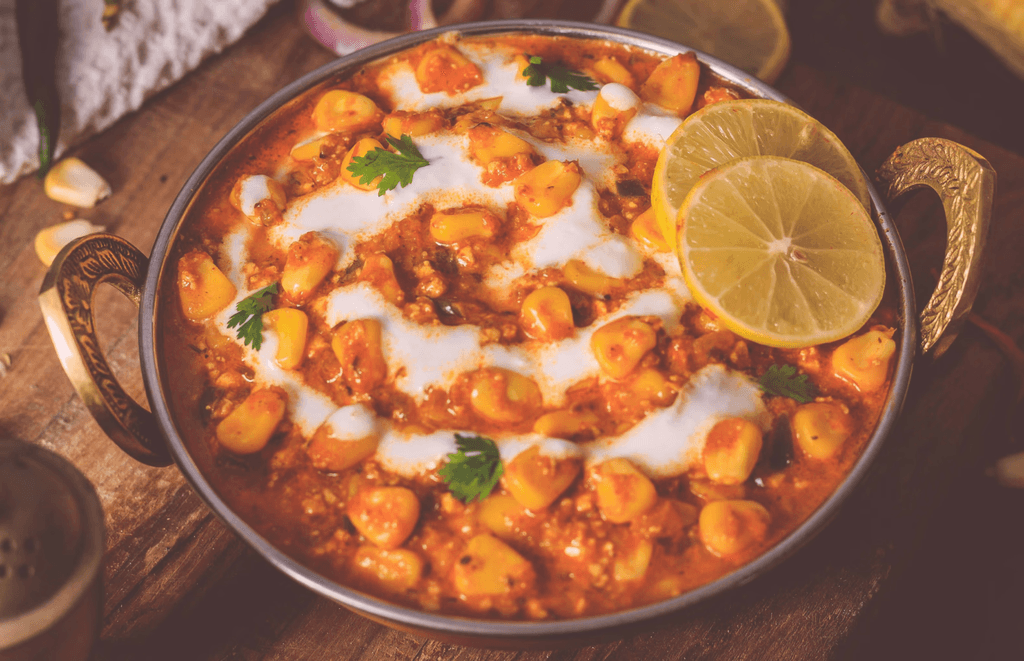
Despite what is traditionally thought about being vegetarian, it is very easy to gain a lot of weight quickly and easily, unhealthily and healthily. South Asian vegetarian meals typically include lentils, legumes, vegetables, fruits, nuts, and whole grains, all of which are rich sources of essential vitamins and minerals like vitamin C, vitamin A, potassium, and magnesium. Let's just take a quick look at the deficiencies of an all-veg diet.
This one is pretty obvious and stands out to most. Many South Asian vegetarian diets rely heavily on lentils, beans, and dairy for protein, but they may not provide enough for individuals with higher protein needs, such as athletes or the elderly. A lack of complete proteins (those containing all nine essential amino acids) can lead to muscle loss and weakness. When amma says that daal has protein. She is not wrong! But its not a complete protein, meaning it lacks all the essential amino acids. When paired with other grains makes it a complete protein. Take for example a cup of daal and a cup of chicken. Big difference!
The body less readily absorbs non-heme iron from plant sources (like spinach and lentils) than meat iron. Without careful planning, individuals may develop iron-deficiency anemia, which can cause fatigue and weakness.
Vitamin B12 is primarily found in animal products, making deficiency a common concern among vegetarians. A lack of B12 can lead to nerve damage, anemia, and cognitive impairments. Fortified foods or supplements are often necessary.
While dairy is consumed in some South Asian diets, individuals who avoid it (e.g., vegans) may lack sufficient calcium and vitamin D, increasing the risk of osteoporosis and bone fractures. EAT the curd! Excellent source of probiotics and calcium.
We won't bark on this too much here again; read more about this here. But simply everyday staples like rice, bread, and potatoes can lead to excessive carbohydrate consumption, increasing the risk of insulin resistance, type 2 diabetes, and weight gain if not moderated. With the need to finding alternatives to meat and feeling satiated results in over-reliance on carbs.
We are not here to just dog on this diet. There are obviously so many benefits for a vegetarian diet. Its high in fiber. Foods like lentils, chickpeas, and whole grains (e.g., chapati and brown rice) provide a high dietary fiber intake, which aids digestion, prevents constipation, and reduces the risk of chronic diseases such as heart disease and type 2 diabetes. They have an abundance of Phytochemicals. Spices such as turmeric, cumin, and ginger, commonly used in South Asian cuisine, are rich in antioxidants and anti-inflammatory compounds that support overall health and may reduce the risk of chronic diseases. It can support weight management. The emphasis on plant-based foods, combined with portion control and cooking methods like steaming or sautéing, can make the South Asian vegetarian diet lower in calories, promoting healthy weight management. We must emphasize the operative words being WITH PORTION CONTROL.
Incorporate Complete Proteins
Combine grains (e.g., rice) with legumes (e.g., lentils) or add nuts and seeds to meals to ensure a complete amino acid profile.
Boost Iron Absorption
Pair iron-rich foods with vitamin C sources (like citrus fruits, tomatoes, or bell peppers) to enhance absorption.
Supplement Wisely
Consider taking vitamin B12 and vitamin D supplements, especially if dairy is limited or sunlight exposure is insufficient.
Limit Refined Carbohydrates
Opt for whole grains like quinoa, millets, or brown rice over refined white rice and flour to maintain stable blood sugar levels.
Control Oil Usage
Use healthier oils like olive or mustard oil in moderation, and explore alternative cooking methods like baking or steaming.
Increase Diversity
Include a variety of vegetables, fruits, and plant-based proteins to avoid nutritional gaps and ensure a balanced intake of essential nutrients.
The South Asian vegetarian diet can be a powerhouse of nutrition, offering numerous health benefits like better heart health, weight management, and reduced risk of chronic diseases. However, attention to potential deficiencies in protein, iron, vitamin B12, calcium, and vitamin D is essential to avoid long-term health risks. By incorporating mindful dietary practices and supplementation where needed, individuals can enjoy the richness of South Asian vegetarian cuisine while maintaining optimal health.
JOIN OUR COMMUNITY
Stay Up to Date on Health Information!
Pintrest
Tik Tok
Linked-In
Sources
Terms of Service
Disclaimer